
As the monsoon fades, many residents in Dhanmondi and Kalabagan are breathing a sigh of relief. However, the data tells a frightening story: Dhaka South City Corporation (DSCC) continues to lead in Dengue fatalities.
Why is the risk still high in Winter? It comes down to two factors specific to our congested neighborhood: Construction and Gardening.
1. The Concrete Jungle Risk (Green Road/Kalabagan)
Our area has one of the highest densities of active construction sites in Dhaka.
- The Problem: Even in winter, construction sites use water for 'curing' concrete. This water often pools in basements and elevator shafts.
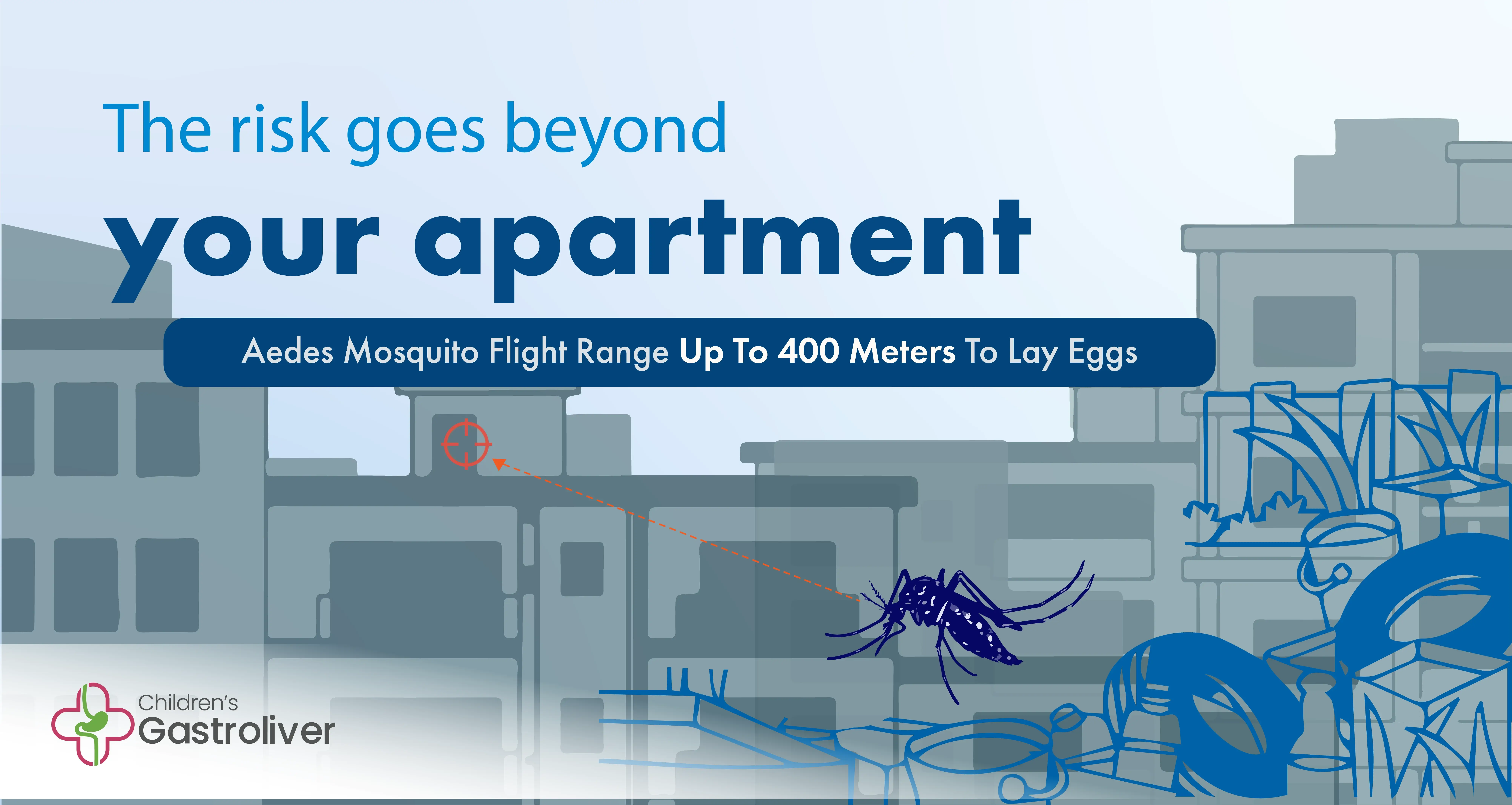
- The Reach: An Aedes mosquito can fly up to 400 meters. If there is a building under construction three blocks away, your apartment is in the 'Red Zone.'
2. The 'Winter Garden' Paradox
Dhaka residents love planting winter flowers (Marigolds, Dahlias, Chrysanthemums) in November and December.
- The Science: Unlike common mosquitoes, Aedes aegypti prefers clean, clear water—exactly what sits in the tray (saucer) under your flower pots.
- The Research: Studies on Aedes breeding behavior confirm that 'Container Breeding' (flower pots, discarded cups) is a primary driver of urban dengue, even outside the rainy season.
Action Plan for Residents
- Inspect the Saucers: Lift every flower pot on your balcony. If there is clear water in the tray, scrub it clean (Aedes eggs stick to the sides).
- Dry & Wet Days: Don't water plants daily in winter. Let the soil dry out.
- Community Watch: Look at the construction site next door. If you see stagnant water, report it to your building committee.
Reference:
- DGHS Control Room Data (Death Analysis by City Corporation)
- Dengue and severe dengue (WHO Q/A)
- Getachew et al. (2015). 'Winter breeding of Aedes aegypti in stationary water containers.'