
According to recent data, Dhaka South City Corporation (DSCC) has recorded the highest number of Dengue-related fatalities this year. While we often worry about babies, a dangerous trend is emerging among school-going children and adolescents (10–16 years).
Dr. Rafia Rashid explains why this age group is prone to "Silent Shock" and what parents must monitor at home.
The "I'm Fine" Syndrome
Unlike toddlers who cry when sick, adolescents often suppress their symptoms.
- The School Factor: Students often push through fever to attend exams or coaching classes.
- The Hidden Dehydration: Many students intentionally drink less water at school to avoid using the toilets (which may be dirty or crowded). This habit accelerates dehydration during a fever.
The Critical Phase (Day 4–6)
The most dangerous time is not when the fever is high (104°F). The danger starts when the fever drops (Defervescence).
- Parents often relax, thinking the child is "cured."
- Reality: This is when plasma leakage can happen, leading to Dengue Shock Syndrome.
What Dr. Rafia Monitors (And You Should Too)
If your child is recovering from fever at home, you must become a vigilant monitor:
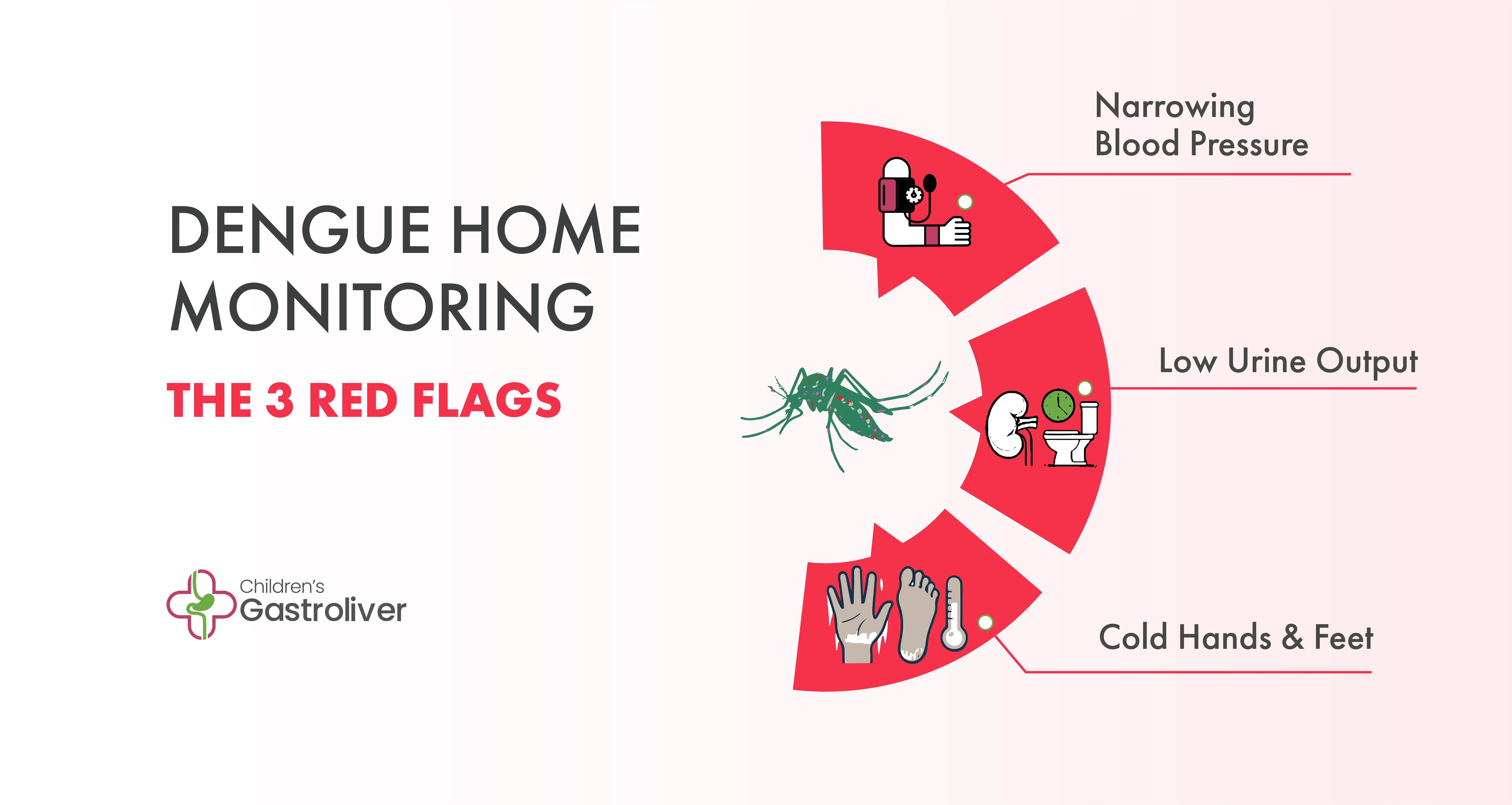
- Pulse Pressure: Check their BP. If the gap between the top (Systolic) and bottom (Diastolic) numbers narrows (e.g., 100/90), rush to the hospital.
- Urine Output: Ask your teenager specifically, "When did you last pass urine?" If it has been more than 6 hours, it is a medical emergency.
- Cold Extremities: Touch their hands and feet. If their body is warm but fingers are ice-cold and clammy, they are entering shock.
Reference
- National Guidelines for Clinical Management of Dengue Syndrome (DGHS, Bangladesh).
- World Health Organization (WHO) Comprehensive Guidelines for Prevention and Control of Dengue.